


DEAR TEACHERS - DON'T GIVE UP

Updated: Jul 31
25 years ago, I wrote a letter entitled DEAR TEACHERS - DON'T GIVE UP. In all that time, far too little has changed, and these words are just as urgent and relevant today as they were then.
For nearly 40 years, I have been tirelessly advocating in the fight against illiteracy. Despite decades of dedication, the literacy crisis remains one of the greatest challenges facing our nation. Change is long overdue.
Literacy is the greatest civil rights issue of our time, and I will not stop fighting until every child and adult has the opportunity to learn to read.
Read my letter to teachers below.
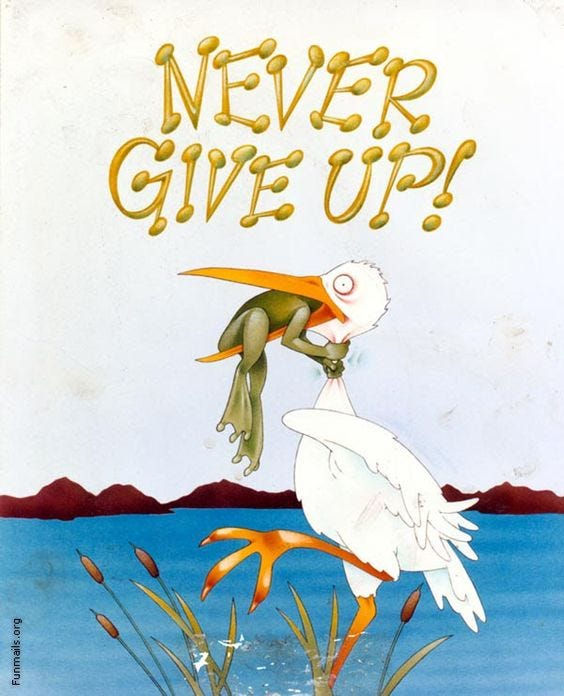
"DEAR TEACHERS - DON'T GIVE UP"
By John Corcoran
I am sure that teachers are disappointed about their failing report card, from the National Assessment of Educational Progress on fourth grade reading scores.
I know that many teachers have been working very hard to improve reading scores.
America has begun the noble and challenging journey to "literacy for all." They must stay
focused on a renewed commitment to preventing adult illiteracy by teaching our children to read.
American illiteracy epidemic rages on. Despite a decade long emphasis on lifting the
achievement of all students. The need to produce results has become more and more urgent.
Parents are their children's first teachers and we must encourage parents and proactively assist parents in helping their children become successful readers. However,
illiterate adults cannot teach their children the value or skills of literacy. The responsibility to impart basic literacy skills and values falls on literate people. Every segment of our literate society, every literate person, can share their gift of literacy with non-readers. We, as a nation, must insist on zero tolerance for illiteracy in our schools, in our workplace and in our communities.
But today, when all is said, the primary responsibility for literacy instruction remains
with educators, particularly classroom teachers. Teachers must be properly trained. Most teachers will admit they have not been adequately prepared. The method for training teachers hasn't changed in decades. College and universities who prepare teachers for their degrees and credentials must be held accountable. Experienced classroom teachers and retired teachers can help lead a massive reform to improve teacher preparation at all levels. The rank and file classroom teacher must take the initiatives to raise the bar for teacher training (undergraduate and graduate) as well as for staff development.
Reid Lyon, Chief of the Child Development and Behavior branch at the National
Institute of Health, said education colleges have a tendency to "embrace unproven, ineffective reading programs", instead of programs scientifically shown to work.
Most middle and high school teachers think it is not their responsibility to teach their
students to read and write. If this attitude and practice continues, even if we were 100%
effective in teaching today's first and second graders to read, our schools would still, for the next 10 years, continue to ignore our non-reading students and continue to push them through or out of the school system. This cycle of failure must stop now.
Poverty is not an excuse! Parental involvement is not an excuse! So called "learning
disabilities" is not an excuse! Race or ethnic origin is not an excuse! Illiteracy does not
discriminate!
Today there should be NO more excuses for illiteracy in America.
"We know the method of placing and labeling students as learning disabled is
fundamentally flawed", said Herman Hehir, the former Director of Special Education Programs for the U.S Dept. of Education. Alice Parker, California's State Director of Special Education, recently said as many as 250,000 out of a total of 651,000 students have been designated as learning disabled because of reading deficiencies. "These students should not be in special education at all. They have not been taught to read and that's deplorable", Parker said.
State officials imply that lower scores among second language learners should be
expected. This thinking is also fundamentally flawed. It is just another code word for lower expectations.
Some teachers and especially their union leaders are very defensive when I share my
feelings with them. Some prefer to remain in denial and discount me, as well as other basic skills advocates, as just another cynic. They fail to discern basic skill issues from the noisier debates about school voucher and teacher union agendas.
The most important task for schools and for teachers is to teach reading and writing
the first four years of school. We learn to read then the rest of our schooling we read to learn.
We know that no school reform will succeed unless the teachers have the knowledge
and skills to teach their students to read and write.
The key to teaching children and adults to read is proper instruction. Proper
instruction comes from properly trained teachers, with the belief that all teachers and educators (K-12) have the responsibility to teach all students (K-12) to read and write.
Some teachers see themselves as victims and can give many reasons for why their
students aren't learning. But teachers are not victims, teachers go to work to make a living, they are the responsible adults. It is their job and duty. Unfortunately, teachers remain seriously unprepared to address individual needs, particularly in reading. Teachers cannot be expected to know what they have not been taught. Proper training for all of our volunteers, para professionals, or professional teachers and teacher candidates at all levels, K-through university and adult programs, is the most critical component in achieving a literate America.
I have been challenging teachers since I first walked into a classroom, at the age of six.
I was one of millions of children and adults who had difficulties learning how to read, write and spell. I am also proof that with proper instruction we can all learn how to read, and that it is never too late to learn. (I learned to read and write at age 48).
Schools have 13 years to prevent adult illiteracy. Direct and effective reading, writing
and spelling instruction must be the core curriculum for ALL grades K through 12.
We can prevent adult illiteracy.
I rejoice every time I hear a child read. I understand that teaching a child how to
read is logical and more palatable than teaching an adult to read. However, this bias is as oppressive as any form of prejudice. Americans increased life expectancy including increased work lives and greater demands for literacy skills in the work place, challenges our previous held logic. Today, more than any other time in our history, adults need to be given every opportunity to learn to read.
We must understand that today it is as important to teach an adult to read as it
is to teach a child to read before we can reach our noble goal of a "literate America".
Eradication of adult illiteracy by teaching adults, (many of whom are high school
graduates), how to read is not on the "radar screen" for most politicians. Perhaps it is
because the number of adults that can't read has increased. We're not all better off than we were 8 years ago.
Man is the creator of languages. It connects us, we communicate and we build
community via language. The written language is the dominate language in the classroom and in the work place and it is the passport to lifelong learning.
Literacy provides the "common people" liberation from injustice, coercion and
exploitation. In today's culture the "common people" are at risk of losing an understanding of the deepest meaning of the written word if they don't have good basic literacy skills.
Today more than any other time in our history, teachers must stay focused on the
mission to prevent adult illiteracy by teaching children to read.
If they do they will have the support and respect they need and seek.
The following is a list of some of my values and beliefs to help keep me focused on
the mission to teach all children to read and to eradicate illiteracy in adults and all across America.
— John Corcoran, 2001


Comments