


What Space Travel Teaches Us About The Future of Literacy in America


I have always been fascinated by space programs and missions. As I followed Artemis II earlier this month, I began reflecting on this latest space mission as a model for our mission at the John Corcoran Foundation: to facilitate the prevention and eradication of illiteracy and sub-literacy in adults and children across America.
When I was a school boy, a human walking on the moon was just like a B movie script, a fantasy, a favorite daydream for me. To me, it was impossible for humans to reach (let alone walk on) the moon or Mars. I was wrong! I also thought and believed that it was impossible for me to learn how to read. I was wrong!
As a student and teacher, I spent 35 years inside the education system, witnessing and experiencing firsthand America's illiteracy crisis. After I started learning how to read at the age of 48, I wrote my first book The Teacher Who Couldn’t Read and founded the John Corcoran Foundation. I learned that there are millions of people like me who struggle to learn to read.
But today’s science tells us that with proper instruction, we can teach 97%-100% of children, teens, and adults (who can speak) to read and write proficiently.
Before humans ever stepped foot on the moon, science told us it was possible.
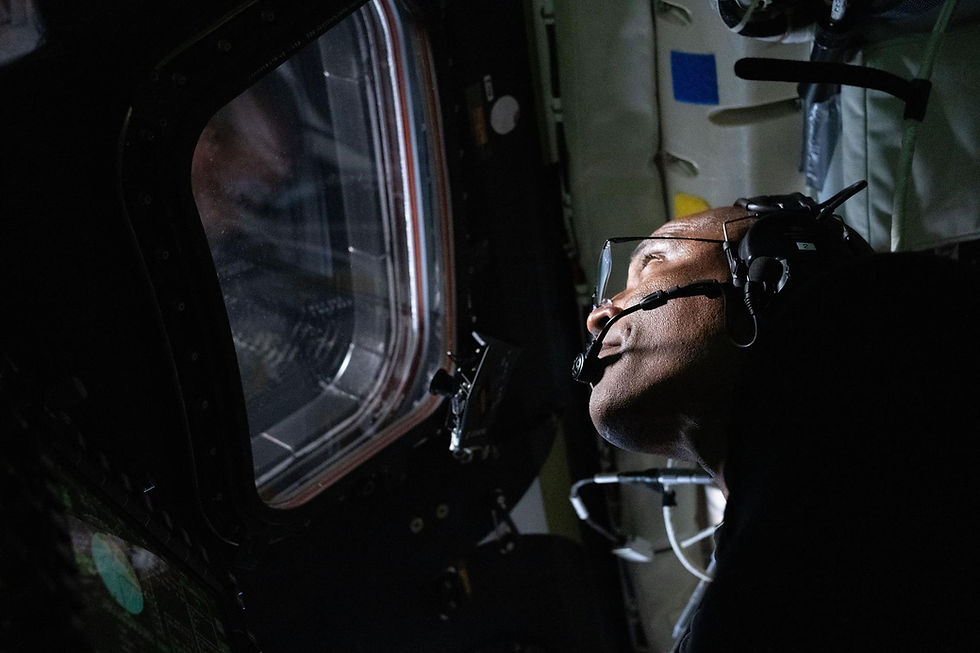
Now, science is telling us that we can go to Mars. We have a plan to make it happen.
But how about when it comes to literacy, a vital skill for critical thinking and navigating our world today?
Do we have a national plan? National commitment? National leadership? A laser-like focus on literacy? A national awareness and understanding of the problems and solution? Before you answer these questions, check out our reading scores.
Can't we do two important things at the same time? Can’t we go to space and teach all of our children, teens and adults how to read?
We are a nation that can go to the moon and has plans to go to Mars. But we have yet to solve our urgent literacy crisis.
I still remember what I was doing on July 20, 1969, when Apollo 11 landed on the moon. I was 32 years old and my son was one year old. It was an important day for our family and Johnny. He was baptized at St. Patrick's Church in Carlsbad, CA. His large extended family witnessed the event. On the same day, two American astronauts landed on the moon and became the first humans to walk on the lunar surface. What a exciting, glorious and memorable day for our family and our country. We all rushed to my house after the service to watch the moon landing on TV and rejoice and celebrate.
"One small step for man, one giant leap for mankind," Neil Armstrong declared.

America took a long time to revisit the moon… 55 years before exciting the nation again this year. What happened in the meantime? Did NASA lose momentum? Was leadership lost, strayed or stolen?
What changed?
Jared Isaacman showed up and dared to tell NASA the truth: ”We are not doing it right. NASA has to change.” They heard him and took a trip around the moon, and now have plans to go to Mars.
Some say that our space programs are a complete waste of time and money. I have never thought that. We are a nation of people with a pioneer's spirit: curious, hopeful.
Witnessing the teamwork, leadership, and ingenuity it takes to pull off a mission like Artemis II motivates me to push on in the fight for a literate United States.

I am privileged to know many pioneers of the noble and rightest cause of literacy. Many have personally inspired, influenced and helped guide me over the last 40 years of my advocacy. My starting lineup for my literacy all-star team are (or have been): Pat Lindamood, Dr. Diane McGuinness, Dr. Steve Truch, Dr. Maria Murray, and Nora Chahbazi.
We have come a long way. We have a long way to go. This is something we can do. It's doable.
There are millions who still need to understand the urgency of the issue. If we don't have a laser-like focus on teaching reading, we will never improve our education system. Reading is the Alpha and Omega for educational improvement.
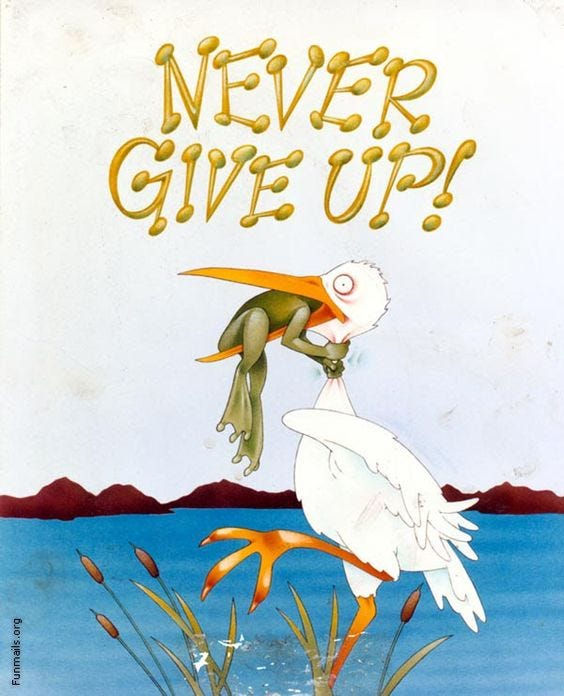
If we can go to Mars, we can surely teach all of our children, teens, and adults how to read.
— John Corcoran
Stay tuned for an upcoming exciting announcement soon.
To learn what's next for John Corcoran Foundation and how you can get involved, click the banner below!


Comments